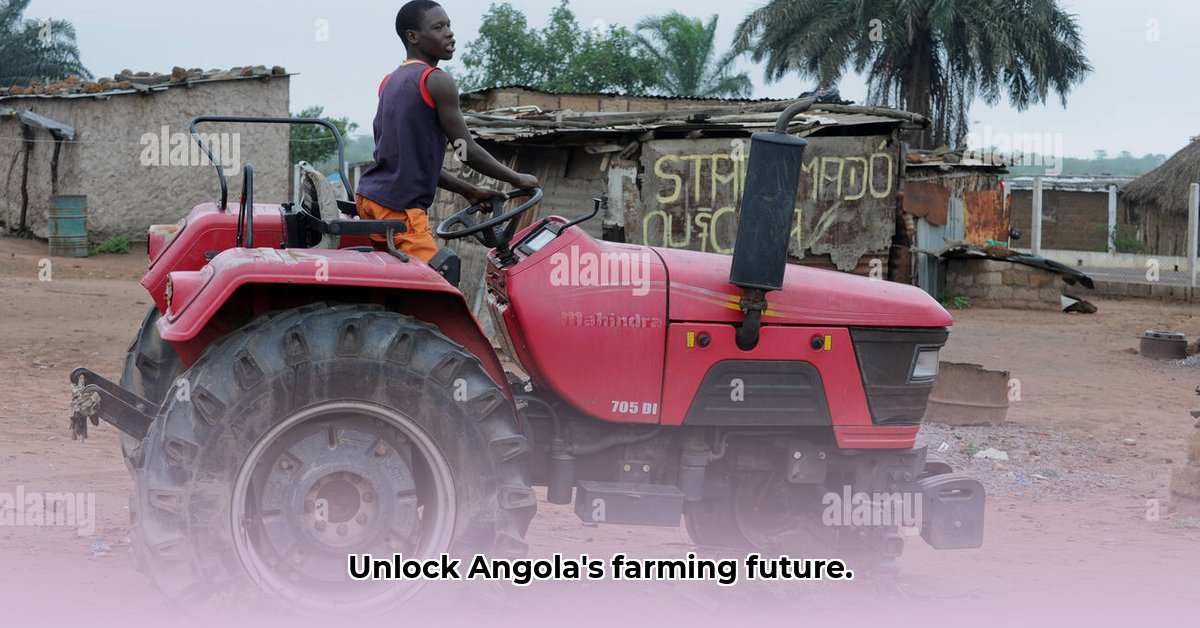
Tractor Supply Angola: Your Partner in Sustainable Farming
Tractor Supply Company (TSC) is becoming a key player in supporting sustainable agriculture in Angola. While perhaps not a global household name, TSC provides Angolan farmers and gardeners with essential supplies, from seeds and fertilizers to fencing and animal feed. This direct support of small-scale agriculture is crucial for building a more sustainable food system in Angola. Need organic seeds? TSC likely carries them, making sustainable practices more accessible. It's about empowering those who cultivate the very foundation of Angolan agriculture. This isn't just about supplying materials; it's about fostering a thriving local food system. For more information on TSC's initiatives, visit their website.
This support empowers individuals and strengthens the agricultural community. By providing access to vital resources, Tractor Supply contributes directly to Angola's food security. This localized approach is a significant contribution to a sustainable future.
Expanding Sustainable Practices: Growing with Tractor Supply Angola
Tractor Supply Angola has a significant opportunity to further its contributions to sustainable agriculture. Key areas for improvement include:
Expanding Organic Options: A broader range of organic seeds, fertilizers, and animal feed would meet increasing consumer demand and encourage eco-friendly farming. Imagine the impact of readily accessible organic options for local farmers.
Practical Education: Providing workshops and in-store demonstrations on efficient watering techniques (like drip irrigation), composting, and natural pest control would significantly enhance farmers' knowledge and practices. Hands-on learning empowers sustainable choices.
Supply Chain Transparency: Complete transparency regarding product sourcing—ensuring ethical and environmentally conscious practices throughout the supply chain—builds trust and demonstrates a commitment to sustainability. Consumers increasingly demand to know the origin and production methods of their food.
Strategic Partnerships: Collaborating with local agricultural organizations and community gardens would create a powerful network for sharing best practices and building a strong, sustainable agricultural community. Collaboration boosts impact.
Your Role: Actionable Steps for a Greener Angola
What can you do to contribute to a more sustainable agricultural system in Angola? Whether you're a farmer or a home gardener, your actions make a difference.
Prioritize Sustainable Products: Choose organic and sustainably sourced products from Tractor Supply whenever possible. While potentially costing slightly more, the environmental benefits are significant.
Invest in Knowledge: Participate in workshops and training sessions—provided by TSC or other local organizations—to learn sustainable farming techniques. Knowledge is a powerful tool for change.
Conserve Water: Implement water-efficient irrigation methods, like drip irrigation, to conserve this vital resource. Efficient water usage is crucial for sustainability.
Embrace Composting: Compost organic scraps to naturally fertilize crops and reduce waste. Composting is a win-win for your garden and the environment.
The Bigger Picture: Challenges and Future Opportunities
Tractor Supply's current contributions to sustainable agriculture are impactful, but challenges remain. A critical area for improvement is the need for more comprehensive data on their environmental impact. This isn't a weakness but an opportunity. By actively collecting and transparently publishing data on sustainable sourcing, emissions, and other key metrics, Tractor Supply can demonstrate leadership in accountability and transparency. This data-driven approach will enable better understanding of progress towards sustainability.
The future of sustainable farming in Angola hinges on collaborative efforts. Tractor Supply plays a key role by supporting local farmers and fostering eco-friendly practices. This is a journey requiring ongoing commitment, and Tractor Supply is taking important steps. Let’s work together to create a more sustainable and prosperous agricultural future for Angola.
How to Source Sustainable Gardening Supplies from Tractor Supply
Key Takeaways:
- TSC offers resources for sustainable gardening practices, although not always explicitly labelled "organic."
- Understanding product certifications and sourcing is crucial for making truly sustainable choices.
- Supporting local businesses contributes to a healthier and more resilient ecosystem.
- Sustainable gardening involves continuous learning and improvement.
Identifying Sustainable Products at TSC
Finding sustainable options at TSC requires careful consideration. Look for products with certifications like USDA Organic labels. However, certifications aren't the only indicator of sustainability. Consider the packaging—recyclable or compostable? Are the seeds heirloom varieties, promoting biodiversity? Investigate further; look for products made from recycled materials or those supporting local Angolan producers. Supporting local businesses often has a significant environmental benefit.
TSC's Broader Impact on Sustainable Agriculture
TSC's contribution extends beyond simply offering organic seeds. The tools, fencing, and animal feed they supply are equally vital for a thriving agricultural system. Purchasing these locally supports Angolan businesses, bolstering local economies and building resilient agricultural communities.
Practical Steps for Sustainable Gardening with TSC
Strategic Garden Planning: Plan your garden's layout to maximize sunlight and space before purchasing supplies.
Durable Tools: Invest in high-quality, long-lasting tools to minimize waste.
Healthy Soil: Use organic soil amendments and fertilizers to naturally nourish your plants.
Natural Pest Control: Explore natural pest management solutions before using chemicals.
Water Conservation: Utilize water-efficient irrigation systems to conserve resources.
Sustainable Seeds: Choose seeds labelled "heirloom" or "organic" to support biodiversity.
Composting and Recycling: Use TSC supplies to create a compost system, reducing waste sent to landfills.
Limitations and Future Potential
While TSC provides many essential supplies, further improvements are possible. More detailed sustainability reports, increased transparency in supplier practices, and a wider selection of certified organic products would significantly enhance their sustainable profile. Consumers can actively encourage these improvements by voicing their preferences for eco-friendly products. Increased consumer demand will incentivize TSC to prioritize sustainability.